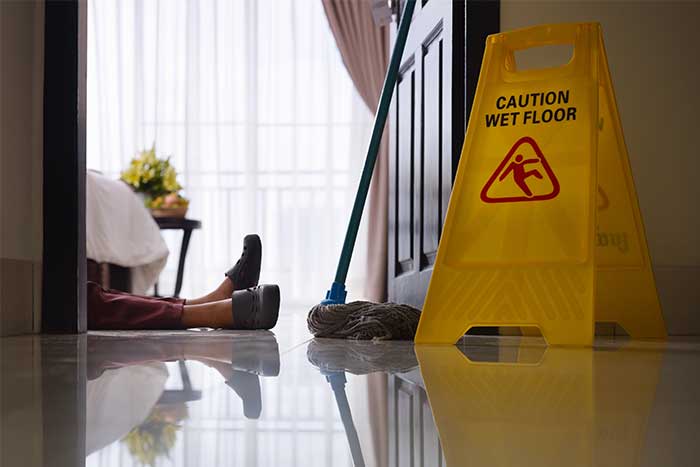
Warning Signs of Nursing Home Abuse
Do you suspect that your loved one has been the victim of abuse in their nursing home? If so, it is important to know the warning signs of nursing home abuse. Elder care abuse comes in many forms, from physical violence to emotional manipulation to financial exploitation. When you know how to identify red flags, you are better positioned to demand justice on your loved one’s behalf.
If your loved one has suffered abuse as a resident in a Mississippi, Metro Jackson area, or Hinds County nursing or assisted living facility, the law gives you the right to demand answers and accountability. One of the most important things you can do is bring your concerns to the nursing home abuse lawyers of Williams Newman Williams. At your free, no-obligation consultation, we can listen to your story and advise you on whether you have a case against the facility.
Contact us today to get started. Your case review is fully confidential.
What Can a Jackson, MS Nursing Home and Elder Abuse Lawyer Do for You?
Few things are more distressing than discovering that your loved one has experienced abuse at their long-term care facility. Your primary concern right now is protecting them, getting them out of the abusive situation, and helping them recover both physically and emotionally. At the same time, your loved one could be entitled to compensation for what they endured. At WNW, our experienced lawyers can pursue your claim while you concentrate on your family.
Our elder abuse lawyers in Jackson, MS, have successfully resolved more than 300 claims involving nursing home abuse, neglect, and abandonment. Our reputation in the field is why we are the state’s most-referred law firm for these cases. We understand the relevant laws, know how nursing homes should be run, and understand how to uncover evidence that a facility has broken those rules.
The husband-and-wife team of Paul Williams and Courtney Williams know first-hand what it is like to provide care for elderly family members. Our commitment to our clients’ well-being is why we focus specifically on cases of elder abuse. We bring a grounded, real-world perspective to each case we take.
As a trial-ready firm, we will not hesitate to file a lawsuit if settlement negotiations break down. Our lawyers know the local and state courts that might hear your case should we take it to trial, such as the Hinds County Circuit Court in Jackson, Forrest County Circuit Court in Hattiesburg, or the Mississippi Supreme Court. Our insight into both the judges who might preside over your case and the people who make up the jury that hears it gives us an additional edge at trial.
Get in touch with us today for your free, no-risk, fully confidential consultation. There are no upfront, out-of-pocket costs for us to work on your case, and you pay nothing unless we successfully resolve your matter.
What Is Considered Nursing Home Abuse?
Medicare defines nursing home abuse as the intentional infliction of injury, unreasonable confinement, punishment, or intimidation of a nursing home resident in a manner that causes pain, physical harm, or mental anguish. Abuse in a nursing home can take many forms, such as hitting or slapping a resident, sexually manipulating a patient, or stealing money or personal assets from a resident.
What Are Common Signs of Nursing Home Abuse?
Do you suspect that your loved one may be the victim of nursing home abuse? The following are common warning signs to watch out for:
- Unexplained injuries
- Untreated medical conditions
- Sudden changes in behavior or mood
- Fear of certain caregivers
- Poor hygiene
- Malnutrition or dehydration
- Social withdrawal
- Missing personal belongings
- Unusual financial activity
Contact a nursing home abuse lawyer immediately if your loved one exhibits any of the above signs, especially if you notice several of them at once.
What Are Common Types of Nursing Home Abuse?
Nursing home abuse takes many distinct forms, from emotional exploitation to acts of physical violence. The most common types are as follows:
- Physical abuse is the intentional use of physical force that causes pain, injury, or impairment to a nursing home resident. This may include hitting, slapping, pushing, kicking, pinching, burning, or the improper use of restraints or medications. Warning signs of physical abuse include unexplained or repeated injuries, signs of restraint, fear of certain caregivers, flinching when touched, or delays in seeking medical treatment.
- Emotional abuse describes verbal or nonverbal behavior that causes psychological distress, fear, or humiliation. Examples include threats, insults, intimidation, ridicule, harassment, isolation, or treating residents in a demeaning manner. Warning signs of emotional abuse include depression, anxiety, withdrawal from social activities, sudden mood changes, low self-esteem, and reluctance to speak in the presence of staff.
- Sexual abuse is any non-consensual sexual contact or behavior directed at a nursing home resident, from unwanted touching to coerced nudity to sexual assault. Warning signs of sexual abuse include bruises or injuries around the genital area, sexually transmitted infections, difficulty sitting or walking, panic around certain individuals, and sudden emotional withdrawal.
- Financial exploitation is the unauthorized use or theft of a resident’s money, assets, or property. This may involve fraud, forgery, coercion, identity theft, or manipulation to gain control over finances. Warning signs of financial exploitation include unexplained bank withdrawals, missing valuables, unpaid bills despite available funds, sudden changes to legal documents, and unusual financial transactions.
- Neglect is the failure to provide the care, supervision, and assistance necessary to meet a resident’s basic needs. Warning signs of neglect include malnutrition, dehydration, ongoing weight loss, poor hygiene, bedsores, dirty living conditions, and a lack of necessary medications.
- Abandonment is the desertion of a resident by a caregiver or other person responsible for providing care and support. Warning signs of abandonment include residents being left unattended for long periods, unanswered calls for help, missed meals or medications, lack of supervision, confusion about who is providing care, feelings of isolation, and injuries resulting from inadequate oversight.
What Are the Risk Factors for Elder Abuse in a Nursing Home?
According to the National Research Council’s Elder Mistreatment: Abuse, Neglect, and Exploitation in an Aging America study, the leading risk factors for elder abuse include the following:
- Living in a communal setting, such as a nursing facility, as this exposes the older adult to more people who might hurt or exploit them
- Social isolation, which reduces the likelihood that the older adult has someone to turn to for help
- Dementia and other cognitive impairments, as they reduce the older adult’s ability to understand and communicate what happened to them
The Centers for Disease Control and Prevention notes the following care facility risk factors:
- Nursing home staffing problems that lead to a lack of qualified caregivers
- Burnout among staff caused by stressful conditions
- Poor hiring practices that fail to note red flags in potential staffers, like alcohol/drug abuse, a history of violence, or mental instability
What Should I Do If I Suspect Nursing Home Abuse or Neglect?
If you suspect that your loved one has experienced abuse or neglect at their nursing home, you can file a complaint with the Mississippi State Department of Health or with the state’s Long-Term Care Ombudsman. Alternatively, you can bring your case directly to WNW. Our elder abuse lawyers can take these steps for you while also pursuing a lawsuit on your loved one’s behalf.
How Do I Prove Elder Neglect in a Nursing Home?
It will take considerable evidence to prove that your loved one experienced neglect or abuse at their nursing home. This might include the following:
- Medical records documenting injuries and illnesses
- Security camera footage of incidents of abuse or neglect
- Photographs of injuries and living conditions
- Witness statements from residents, staff members, visitors, or family members
- Facility records, including incident reports, staffing logs, and care plans
- Financial records showing suspicious transactions or unauthorized account activity
- Expert testimony from care providers, financial professionals, and psychologists
What Compensation Could You Recover for Nursing Home Abuse?
A successful nursing home abuse case can recover compensation for the following:
- Current and future medical costs associated with treating abuse-related injuries and illnesses
- Costs for moving to a new care facility
- Pain and suffering your loved one endured
- Emotional distress, or the psychological harm the abuse caused
- Replacing any stolen assets or personal property
If the care facility showed or allowed intentional, egregious abuse, your loved one could be eligible to receive punitive damages. This is meant to punish the perpetrator and deter similar behavior in the future.
How Long Do You Have to File a Nursing Home Abuse Lawsuit in Mississippi?
According to the Mississippi statute of limitations on personal injury claims — including those involving nursing home abuse — you have three years to take legal action. However, the filing date could vary based on your specific case, such as when you found out about the abuse or if a wrongful death claim is involved.
If you miss the filing deadline, you could lose your right to pursue compensation entirely, no matter how strong your case may be. That is why you should contact a lawyer as soon as possible. They can preserve critical evidence while it is fresh and build the most compelling case for your loved one.
Do not let your chance to file a lawsuit expire. Get in touch with WNW today.
What Can a Lawyer Do for Your Nursing Home Abuse Case?
While you concentrate on caring for your loved one, an experienced elder abuse lawyer in Jackson can do the following:
- Investigate the facility and uncover evidence supporting your abuse claim
- Work with experts to better understand this evidence and determine what fair compensation for your loved one entails
- Identify all potentially liable parties, from individual staffers to the nursing home to its corporate ownership
- Serve notice on those parties and negotiate for a settlement that compensates your loved one without the need for a trial
- Take your case to trial if that becomes the best way to secure maximum compensation
At WNW, we take nursing home abuse cases on contingency. That means you do not pay up front for our services, and we only charge you a fee if and when we win your case. You have nothing to lose by speaking with us about what we can do for you and your loved one.
Contact Our Jackson, MS Nursing Home Abuse Attorneys Today
Do you suspect that your loved one has experienced abuse at their nursing home in Mississippi? Reach out to us today for your free, fully confidential case review with our Mississippi nursing home abuse attorneys.
When You Need a Win, you need WNW.